

She sits quietly in class, follows instructions, and gets along well with her peers. At home, though, it is a different story. By the time she walks through the front door, she is exhausted, overwhelmed, and often falls apart over something small. Her parents sense something is off, but every professional they have spoken to says she seems fine.
What they may be seeing is masking, and it is one of the main reasons autism masking in children goes unrecognised for years.
What is autism masking?
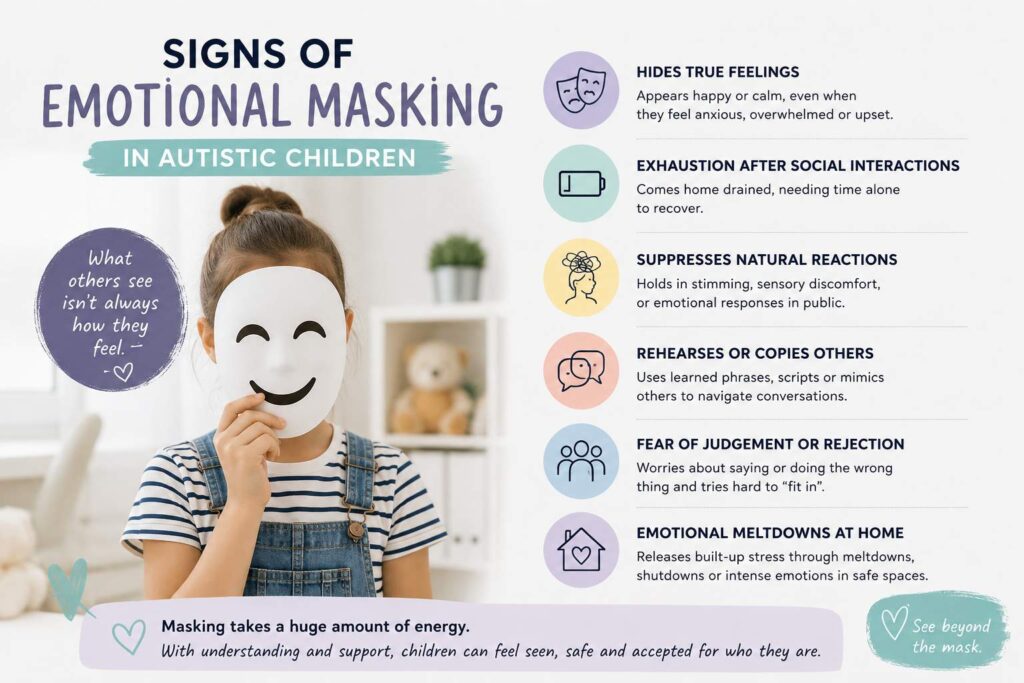
Masking refers to the conscious or unconscious effort some children on the autism spectrum make to hide or suppress their autistic traits in social situations. They watch others carefully and mimic what they see. They learn the “rules” of conversation and apply them deliberately. They hold in their sensory discomfort, their urge to stim, their anxiety, until they are somewhere they feel safe enough to let it out.
It takes an enormous amount of energy. And because these children can appear to be coping, their autism spectrum disorder often goes undetected, sometimes for years.
Why do some children learn to hide autism traits?
Children mask for many reasons, and most of them come down to a desire to fit in and avoid negative attention. From a young age, children pick up on social expectations, and those who find social interaction naturally harder will often work to close that gap in whatever way they can.
Girls are particularly likely to mask. Research suggests that girls with autism spectrum disorder tend to develop stronger social imitation skills earlier, which means their difficulties are less visible on the surface. This is one of the key reasons high-functioning autism signs are more frequently missed in girls than in boys.
Bright, intellectually capable children are also more prone to masking. They figure out what is expected and deliver it, even when it costs them significantly to do so.
What does masked autism look like at home?
Because masking is most intense in public or structured settings, home is often where the cracks appear. Parents frequently describe a child who holds everything together at school but unravels in the safety of home. This is sometimes called the “coke bottle effect”, where everything gets shaken up all day and then releases the moment the child feels secure.
Some signs that may point to undiagnosed autism in kids include:
- Extreme exhaustion after school or social events
- Meltdowns or emotional shutdowns at home that seem disproportionate
- Strong sensitivity to sensory input such as sounds, textures, or clothing
- Scripted or rehearsed-sounding conversation
- Deep, narrow interests that dominate their thinking and conversation
- Anxiety around social situations, even when they appear to manage them well
What are the risks of a delayed autism diagnosis?
When autism goes unidentified, children do not get access to the support that could make a meaningful difference. Sensory processing disorder, social communication difficulties, and anxiety often go unaddressed, and children are left to manage on their own with strategies that are not sustainable long term.
The mental health toll is real. Many children who masked for years report feeling profoundly misunderstood, exhausted, and disconnected from their own sense of self. By the time a diagnosis comes in adolescence or adulthood, there is often a significant amount of untangling to do.
Early identification, on the other hand, allows children to access tailored strategies, appropriate school support, and therapeutic approaches such as applied behavioural analysis that are most effective when started early. It also gives children language and understanding for their own experience, which matters enormously for self-esteem and wellbeing.
What should parents do if they are concerned?
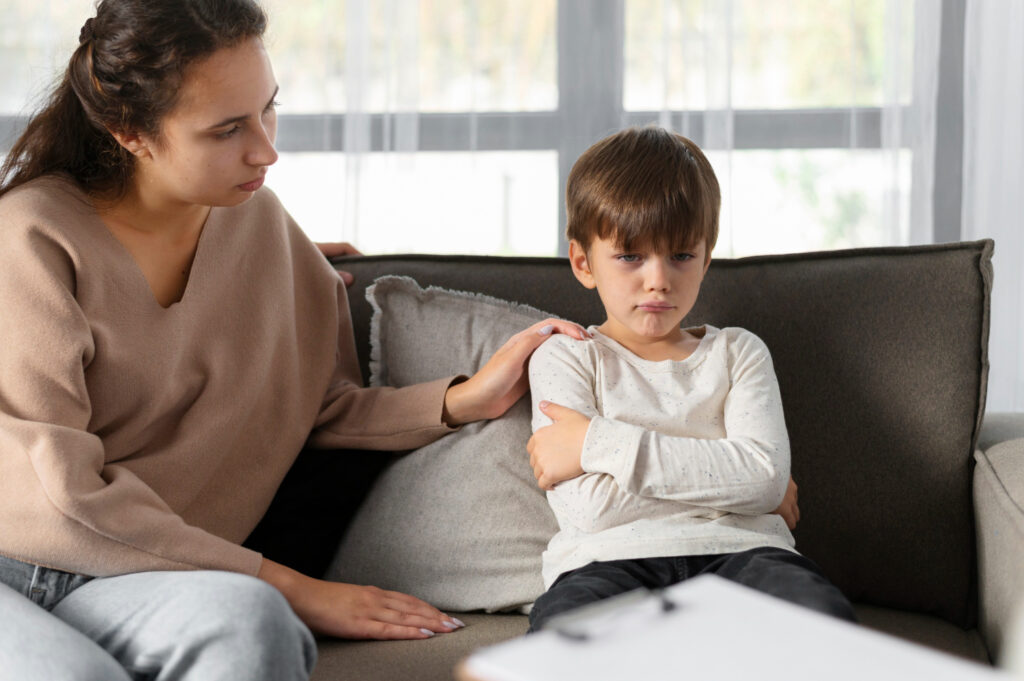
Trust what you are seeing at home. Parents are often the first to notice that something does not add up, even when their child appears to be managing in other settings. A professional who only sees the school report may miss the full picture.
An ASD evaluation for children carried out by a developmental paediatrician takes into account the whole child, across multiple settings and over time. If you are looking for an autism assessment in Perth, particularly in the southern suburbs, seeking out a specialist with experience in masking and girls’ presentations is worth asking about when you make your enquiry.
Getting clarity is not about labelling your child. It is about making sure they have what they need to thrive.
If you have concerns about your child, a good first step is to speak with your GP. They can provide guidance and, if needed, a referral to a paediatrician or psychologist at Smart Paeds for further support.
Smart Paeds supports families across Perth with guidance, assessments, and ongoing care, working closely with parents, schools, and healthcare providers.
