

A Scene Many Parents Know
Your son has just come home from school, backpack dropped at the door, and he’s already told you three times that he doesn’t want to go back tomorrow. When you ask why, he says the classroom was “too loud” and that the other kids “don’t get” him. He isn’t upset in the way you’d expect – no tears, just a flat, tired kind of certainty. You sit with him and wonder, not for the first time, whether the world around him is actually set up to let him succeed.
If this sounds familiar, you’re not alone. And on the occasion of World Autism Awareness Day (observed on 2 April each year), it’s worth pausing on a question that matters deeply to families like yours: is awareness actually enough?
What’s the Difference Between Awareness and Acceptance?
For many years, autism awareness focused on helping the general public recognise that autism spectrum disorder (ASD) exists. That was a necessary starting point. But awareness, simply knowing something is there, doesn’t automatically lead to understanding or inclusion.
Autism acceptance goes further. It’s about recognising that autistic children and adults are not broken versions of neurotypical people. They experience the world differently, and those differences come with both real challenges and genuine strengths. Celebrating neurodiversity means adapting environments, expectations, and systems (schools, workplaces, communities) rather than expecting autistic individuals to simply conform.
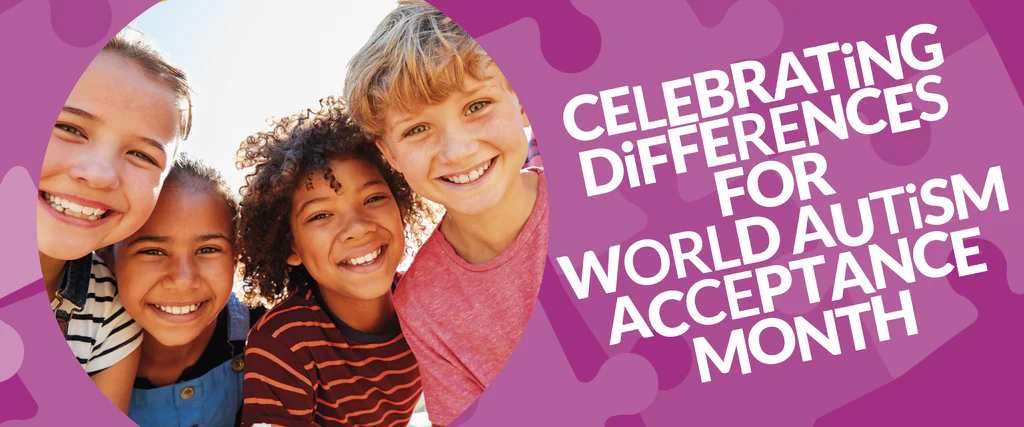
This shift in language didn’t happen in isolation. Groups like the Autistic Self Advocacy Network (ASAN) have long pushed for a change in how society talks about and responds to autism, moving from pity or fear toward genuine autism rights and inclusion. The principle is straightforward: nothing about us, without us.
The difference between awareness and acceptance is not just semantic. Awareness can still treat autism as a problem to be solved. Acceptance treats autistic people as whole human beings whose needs and contributions deserve genuine recognition.
What Parents Can Look Out For
Autism presents differently in every child. Some children are highly verbal but find social back-and-forth exhausting. Others may avoid eye contact, have strong sensory sensitivities, rely heavily on routine, or communicate in ways that don’t always look like what adults expect.
Some patterns worth paying attention to include:
- Difficulty with unexpected changes in routine, even small ones
- Intense focus on specific topics or activities
- Sensory responses that seem stronger than those of other children (certain sounds, textures, or lights)
- Challenges reading social cues or understanding unspoken rules
- Meltdowns that seem disproportionate but are often the result of accumulated stress
None of these signs, on their own, confirms a diagnosis, and many children show some of these traits without being autistic. But if you’re noticing a consistent pattern that’s affecting your child’s daily life or wellbeing, it’s worth exploring further.
What Helps at Home and School
Supporting people with autism well begins at home and in the classroom. Here are some realistic strategies that many families find useful:
Predictability helps. Visual schedules, clear routines, and advance warning before transitions give autistic children a sense of control and reduce anxiety.
Name the environment, not just the child. If your child struggles in noisy settings, that’s information about the environment, not a flaw. Can the environment be adjusted?
Lean into strengths. Many autistic children have areas of deep interest and skill. Finding ways to build learning and connection around these can make a real difference.
Talk to the school. Teachers who understand neurodiversity can make small adjustments – seating, instructions, break time – that significantly change a child’s experience. You don’t need a formal diagnosis to start that conversation.
Building an Inclusive Society for Autism
Autism community support means more than individual strategies. It means building an inclusive society for autism, one where schools, workplaces, and communities are genuinely designed with neurodivergent people in mind.
Workplace inclusion for autism is growing, but slowly. Many autistic adults bring exceptional focus, reliability, and original thinking to their work, yet face unnecessary barriers in hiring and workplace culture. The conversation about autism advocacy needs to extend well beyond childhood.
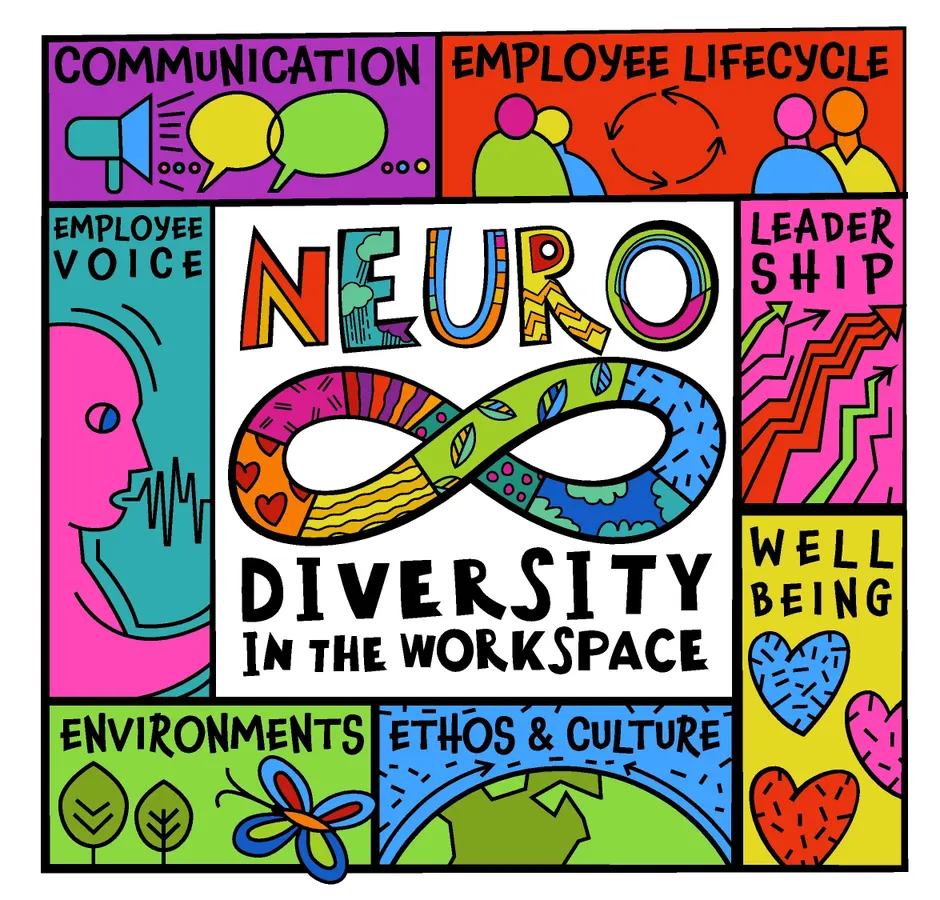
The importance of autism acceptance is that it removes the underlying message that autistic people need to change who they are to belong. That message, when a child absorbs it early, does real harm. When families, schools, and clinicians model acceptance instead, children are far more likely to grow into confident, self-aware adults.
When to Seek Support
If your child is regularly distressed, struggling to participate at school, or you’re finding daily life genuinely difficult to manage, it may be time to speak with a paediatrician. Early support, whether that’s a formal assessment, therapy, or simply guidance on how to help your child at home, can make a meaningful difference.
You don’t need to wait for things to reach a crisis point. Asking questions is always the right first step.
Autism advocacy isn’t just something that happens in policy circles or on awareness days. It happens in how you talk to your child about their brain, in how you advocate for them at school, and in the questions you ask their doctors.
You knowing your child best is not a small thing, it’s the foundation of everything.
Smart Paeds supports families across Perth with guidance, assessments, and ongoing care, working closely with parents, schools, and healthcare providers.
This blog is intended for general educational purposes and does not constitute a medical diagnosis or clinical advice. If you have concerns about your child’s development, start by speaking with your GP, they can assess your child and provide a referral to Smart Paeds if specialist paediatric support is needed.
