
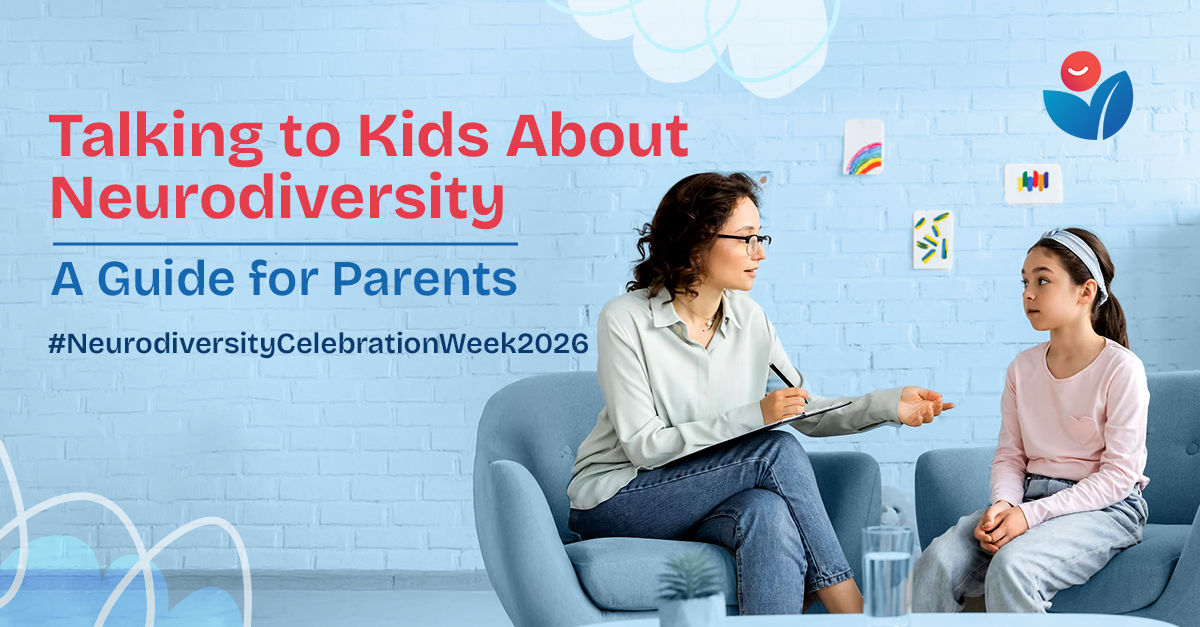
Children naturally notice differences in the people around them. They may see that some classmates learn differently, communicate in unique ways, or respond to situations in ways they don’t immediately understand. These moments can become valuable opportunities for explaining neurodiversity to children.
Helping children understand that every brain works differently encourages empathy, patience, and acceptance. Conversations about neurodiversity for kids do not need to be complex or highly technical. In fact, simple and age-appropriate explanations are often the most meaningful.
By introducing these ideas early, parents can help children grow into adults who value differences in learning, thinking, and communication.
What Does Neurodiversity Mean for Children?
When talking about neurodiversity education for kids, it can help to start with a simple idea:
Everyone’s brain works a little differently.
Some children learn best by listening, others by doing. Some children focus easily on certain tasks but find other activities more difficult. These differences reflect the natural diversity in how human brains develop.
For example, some children may have developmental conditions such as autism in children or ADHD in children, which influence how they experience the world. A child with autism may process social cues differently, while a child with ADHD may experience differences in attention, impulse control, or activity levels.
When children understand these differences, they are less likely to interpret them as strange or confusing. Instead, they begin to see them as part of the normal variation in how people think and behave.
Why It Matters to Teach Children About Neurodiversity
Teaching children about neurodiversity helps build empathy and reduces stigma around developmental differences.
When children develop neurodiversity awareness for children, they begin to understand that behaviours they might initially find unusual often have an explanation related to how a person’s brain processes information.
For example, a classmate who avoids eye contact or prefers playing alone may not be unfriendly. A child who struggles to sit still during lessons may not be misbehaving. These behaviours can sometimes relate to understanding autism and ADHD in children.
Helping children recognise these possibilities encourages patience and kindness rather than judgment.
When Should Parents Start Talking About Neurodiversity?
Many parents wonder when conversations about neurodiversity should begin. In reality, discussions can start quite early.
Young children are often naturally curious and open to learning about differences. Simple conversations about how people think, learn, and communicate differently can begin during early school years.
For younger children, parents might explain:
“Some people’s brains work differently. That just means they may learn or do things in their own way.”
As children grow older, parents can introduce more detailed discussions about conditions such as autism in children and ADHD in children, especially if these differences appear in their school or social circles.
How Parents Can Explain Neurodiversity in Everyday Conversations
Parents do not need formal lessons to support explaining neurodiversity to children. Everyday situations often provide natural opportunities for discussion.
If a child asks why a classmate behaves differently, parents can respond with curiosity and understanding rather than avoidance.
For example, a parent might say:
“Everyone’s brain works a little differently. Some children find certain things harder and other things easier.”
Using clear, respectful language helps children see these differences as normal variations rather than problems.
This approach is part of inclusive parenting strategies, where parents guide children toward empathy, understanding, and respectful behaviour toward others.
Helping Children Respect Neurodivergent Peers
Parents also play an important role in shaping how children interact with classmates who may be neurodivergent.
Some simple ways families can encourage respectful behaviour include:
- Encouraging children to include others in play when possible
- Teaching patience if someone communicates or responds differently
- Avoiding labels or negative language about behaviour
- Encouraging curiosity in a respectful way
These small actions help children develop positive attitudes toward supporting neurodivergent children in their communities.
When children learn that everyone experiences the world differently, they are more likely to build inclusive friendships.
Encouraging Understanding at Home
Conversations about neurodiversity for kids do not need to happen only once. They can evolve naturally as children grow and gain more social experiences.
Parents can reinforce these ideas by discussing kindness, differences in learning styles, and the importance of respecting others.
These discussions also support children who may themselves experience developmental differences. A home environment that values neurodiversity awareness for children helps all children feel understood and accepted.
Building a More Inclusive Generation
Helping children understand neurodiversity education for kids is not just about explaining developmental conditions. It is about shaping how the next generation approaches differences in thinking, learning, and communication.
When children learn early that everyone’s brain works differently, they become more accepting of those differences in school, friendships, and later in the workplace.
Over time, these conversations contribute to a more inclusive and compassionate community where both neurotypical and neurodivergent individuals can thrive.
Conversations about differences in thinking and learning can start with small, everyday moments at home. Neurodiversity Celebration Week is a reminder that helping children understand these differences early can shape how they treat others throughout their lives. When families take time to talk openly about neurodiversity for kids, children learn that different ways of thinking and learning are simply part of being human. Building this understanding early encourages empathy, acceptance, and a more inclusive environment for all children.
