
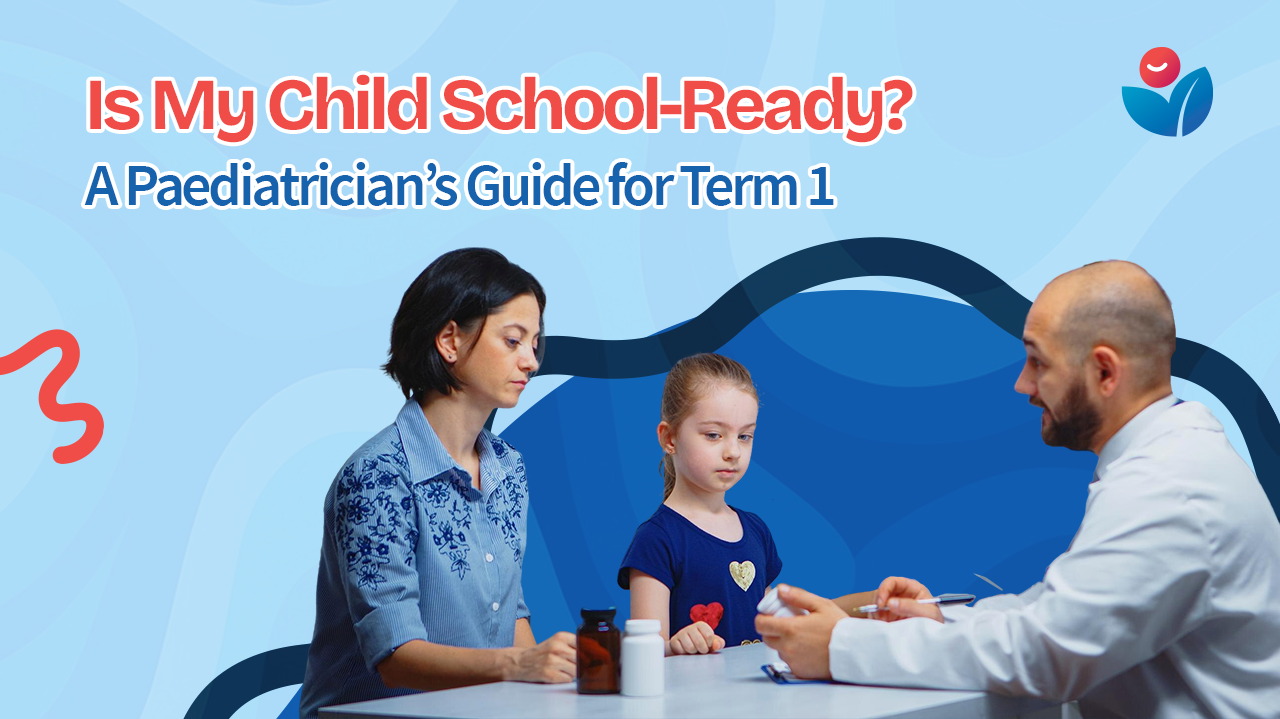
Around this time of year, many parents start quietly wondering the same thing: Is my child actually ready for school?
Not in the “can they count to ten” sense – but in the real-life sense. Will they cope with a long day? Will they manage without me? Will they fall apart by lunchtime?
These questions are incredibly common. And the honest answer is that school readiness isn’t a clear yes or no.
From a paediatric point of view, being “school-ready” doesn’t mean your child will breeze through Term 1 without tears or fatigue. It means they have enough of a foundation to start, and the ability to grow once they’re there.
Many parents expect readiness to look confident and independent. In reality, most children arrive at school still learning how to regulate emotions, listen in groups, and manage everyday tasks.
We’re not looking for perfection. We’re looking for emerging skills.
For example, emotional regulation doesn’t mean your child never melts down. It means they can eventually settle, especially with reassurance. Separation anxiety is common in the early weeks, what matters is whether they can re-engage once the initial upset passes.
Attention is another area parents worry about. Most young children cannot sit still for long periods, and they’re not meant to. Being school-ready might simply look like being able to focus on something they enjoy for a few minutes, follow simple instructions, and gradually build stamina across the day.
Socially, children don’t need to be outgoing or confident. Some children observe before they join in. Others jump straight into play. Both are normal. Sharing, turn-taking, and conflict resolution are skills learned at school, not before it.
Independence is often the most practical concern. Can your child manage toileting with minimal help? Can they open their lunchbox? Can they follow simple routines like packing away or lining up? These skills don’t need to be polished, they just need to be developing.
When parents start to worry?
Sometimes, parents notice that certain things feel harder than expected. Perhaps attention is extremely limited, emotional reactions feel very intense, or communication seems difficult compared to peers.
This doesn’t automatically mean there is a developmental concern. Children develop at different rates, and early school can magnify differences that often even out over time.
That said, if worries persist, it’s appropriate to talk them through.
The first step should always be a visit to your GP. Your GP can listen to your concerns, review your child’s development, and help decide whether further support or a referral is needed.
If appropriate, your GP may refer you to one of our specialist paediatricians at Smart Paeds. Developmental and behavioural differences are complex, and any assessment should be done thoughtfully and clinically – not based on labels, assumptions, or online searches.
Many children become more “school-ready” after they start school. Confidence, independence, attention, and emotional regulation often grow rapidly during the first term.
It’s okay if your child finds it hard at first. It’s okay if you’re unsure. Asking questions doesn’t mean something is wrong, it means you’re paying attention.
If you’d like guidance, start with your GP and discuss whether a referral to Smart Paeds may be helpful for ongoing support.
You don’t need all the answers before Term 1 begins. Most parents don’t. And most children find their feet
