
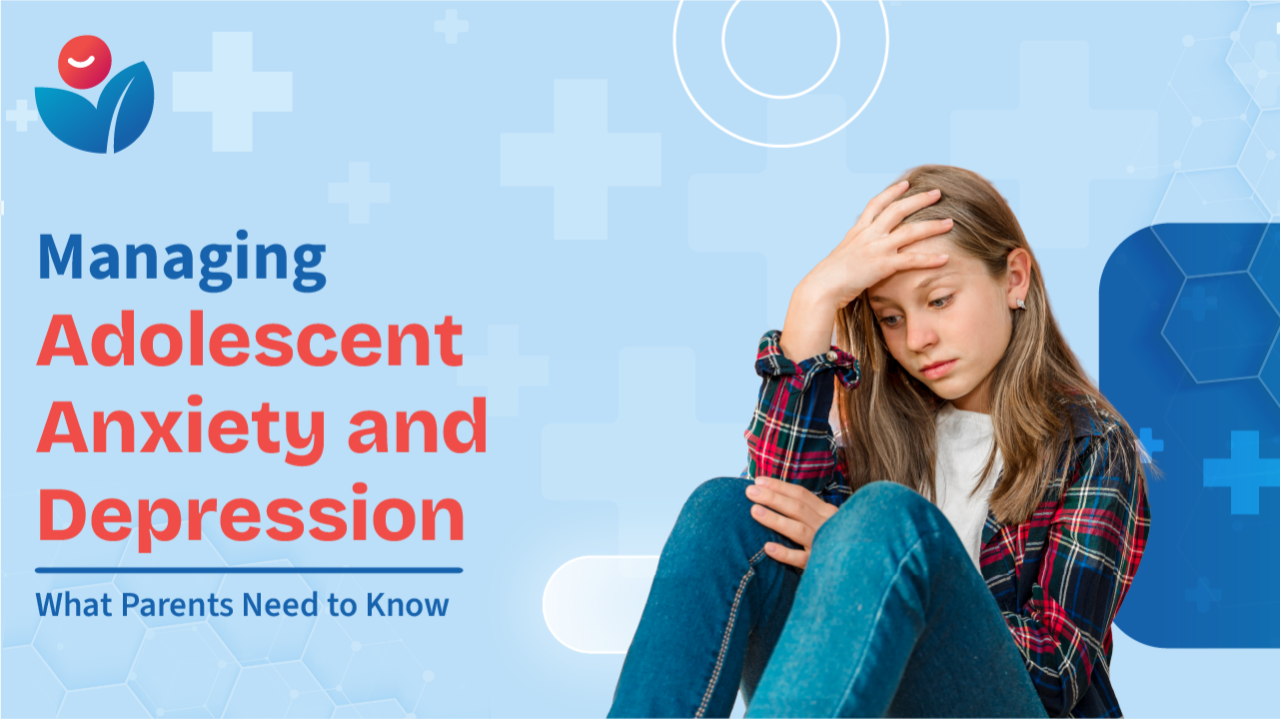
The teenage years can feel like a whirlwind…exams, friendships, social media, body changes, and the constant push for independence. It’s no wonder adolescence is a stage filled with ups and downs. But sometimes, those ups and downs are more than “just teenage moodiness.”
Many young people today are experiencing higher levels of stress, worry, and low mood. As a parent, it can be difficult to know what’s part of normal development and what may suggest your child could benefit from extra support.
Adolescence is a time of huge transition, emotionally, socially, and biologically. Hormonal changes, peer pressure, academic expectations, and identity struggles all add up. While occasional stress is normal, ongoing anxiety or persistent low mood may be a sign that professional guidance could help.
In fact, research shows that 1 in 4 young people experience a mental health challenge, with anxiety and depression being among the most common. (Australian Institute of Health and Welfare, 2023).
Signs of Anxiety in Teenagers
Anxiety in adolescents doesn’t always look like worry on the surface. It can show up in different ways, such as:
- Constant overthinking or fear of the worst happening
- Avoiding school, social events, or new experiences
- Irritability, restlessness, or difficulty concentrating
- Physical complaints like headaches, stomach aches, or trouble sleeping
Signs of Depression in Teenagers
Depression can sometimes be harder to spot because teenagers may mask their feelings. Signs that may raise concern include:
- Loss of interest in activities they once enjoyed
- Withdrawal from family and friends
- Changes in appetite or sleep patterns
- Persistent sadness, hopelessness, or feeling “empty”
- Drop in school performance or motivation
If these changes last for two weeks or more, it may be helpful to seek professional advice.
As a parent, you don’t need to have all the answers, just being present makes a difference. Here are a few ways to support your teen:
- Keep communication open: Make space for honest conversations. Listen without judgement and resist the urge to “fix” things straight away. Sometimes, just being heard is what your teen needs most.
- Watch for patterns: Trust your instincts. Look for changes in mood, behaviour, or routines that continue over time.
- Ease the pressure: Encourage balance. School and activities are important, but so are hobbies, downtime, and rest.
- Model healthy coping: Show what it looks like to manage stress in positive ways, whether through exercise, talking things through, or relaxation strategies.
- Seek help early: It’s best to start by speaking with your GP if you have concerns about your child’s emotional wellbeing. Your GP can help assess the situation and, if needed, refer you to a paediatrician or psychologist for further evaluation and support. Getting professional guidance early can make a big difference.
When to Seek Immediate Help
If your teenager ever talks about self-harm or suicide, or if you notice behaviours that make you concerned for their safety, it’s important to act quickly. Call emergency services, go to your nearest hospital, or seek urgent professional help.
If you or someone you care about needs immediate mental health support, please reach out to one of the following services:
- Lifeline – 13 11 14 (24/7 crisis support)
- Beyond Blue – 1300 22 4636
- Kids Helpline – 1800 55 1800 (for young people aged 5–25)
Parenting a teenager through worry, stress, or low mood can feel overwhelming, but you don’t have to go through it alone. Early recognition and support can make a real difference to your child’s wellbeing.
At Smart Paeds, our team of paediatric specialists is here to support both you and your child. From assessment to tailored care plans, we provide compassionate, evidence-based guidance for families.
